The ROI of Training Heavy Equipment Operators in VR
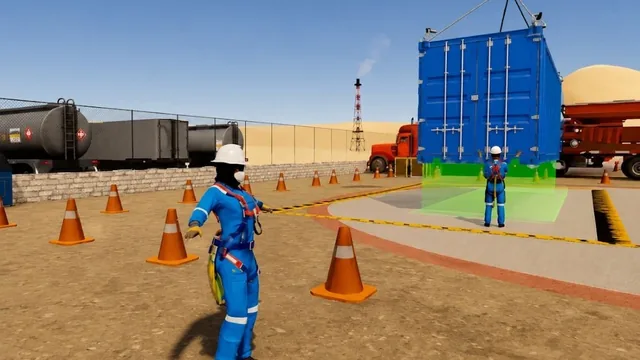
Immersive VR training can help heavy equipment operators practice critical procedures before working with real machinery.
Training heavy equipment operators is essential for protecting people, equipment, and project schedules. Conventional training may require machinery access, instructors, travel, and time away from operations. Virtual reality (VR) offers another way to build operational skills: operators can practice procedures, identify hazards, and respond to abnormal situations in a controlled environment before applying those skills in the field.
The return on investment (ROI) of VR operator training should not be measured by headset or software costs alone. A complete evaluation considers training efficiency, reduced equipment use, lower travel requirements, operational continuity, skill development, and the potential cost of preventable errors.
What ROI Means in Heavy Equipment Training
A practical ROI calculation compares the financial value created by a training program with the total cost of implementing and operating it.
ROI = (Training benefits − Training costs) ÷ Training costs × 100
The exact result will vary by organization. To build a credible business case, compare the current training model with a proposed VR program using the same period, workforce, equipment, and performance measures. Organizations evaluating broader industrial applications can also consider how VR training affects ROI across related programs.
Where VR Can Create Financial Value
Lower Equipment and Consumable Costs
Training on real excavators, loaders, cranes, or other heavy equipment can limit asset availability and create costs related to fuel, wear, maintenance, and setup. VR allows operators to become familiar with controls, procedures, and decision-making without putting production machinery through every practice session.
VR does not eliminate the need for supervised hands-on experience. Instead, it can help operators arrive at practical training better prepared, allowing valuable equipment time to focus on application and assessment.
Less Travel and Time Away from Operations
VR training can support individual, instructor-led, or distributed sessions without requiring every learner to travel to a specialized facility. Reducing travel, lodging, and logistical coordination can be especially valuable for teams working across multiple sites or in remote locations. Flexible sessions can also reduce disruption to daily operations, so organizations should measure recovered work hours as well as direct travel costs.
More Consistent Practice
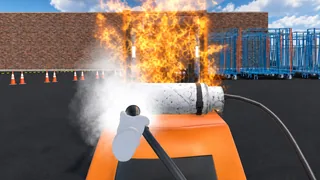
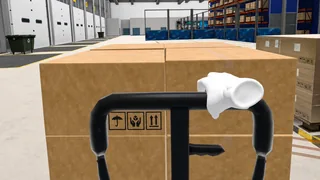
Virtual scenarios can be repeated as often as necessary. Operators can practice startup procedures, hazard recognition, equipment operation, troubleshooting, and emergency responses in a controlled setting. Repetition helps instructors identify gaps before an operator performs the same task with live equipment.
TrainBeyond’s owned materials describe VR training as customizable for specific equipment, operating procedures, and safety scenarios. Organizations planning a program can apply scenario design principles to align simulations with the machinery and workflows their operators actually use.
Improved Readiness and Risk Management
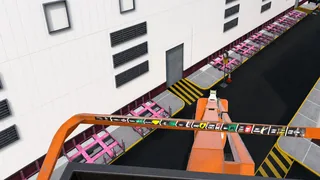
Heavy equipment operations can involve limited visibility, changing terrain, nearby personnel, suspended loads, confined areas, and unexpected equipment behavior. VR can recreate challenging situations without exposing people or assets to the real-world consequences of an error.
Practicing hazard identification and response procedures before fieldwork can strengthen situational awareness and decision-making. These improvements may contribute to fewer interruptions, less equipment damage, and more reliable project execution, although each organization should validate the impact with its own data.
How to Measure the Business Case
A strong ROI analysis uses baseline metrics from the existing program and compares them with results after implementation. Useful measures include:
- Cost per operator trained
- Instructor hours and training hours
- Travel, lodging, and facility expenses
- Fuel, consumables, equipment use, and maintenance during training
- Time required to reach supervised operating proficiency
- Assessment scores and recurring skill gaps
- Training completion and refresher participation
- Equipment incidents, near misses, damage, or unplanned downtime
- Operator and supervisor feedback
VR platforms can also provide performance feedback during scenarios. These records can help training managers identify where operators struggle and target refresher instruction instead of repeating the same training for everyone.
Costs to Include in an Honest ROI Calculation
VR is not cost-free, and a responsible analysis should include the full deployment model. Consider headsets and computers, software licensing, content development, customization, instructor onboarding, administration, cleaning, storage, maintenance, device replacement, training space, connectivity, technical support, and updates when equipment or procedures change.
Organizations should also account for the time needed to introduce operators to the technology. Sessions should be designed with user comfort and safety in mind, including appropriate supervision and breaks when necessary.
A Practical Implementation Path
1. Establish a Baseline
Document the current cost, duration, equipment requirements, and outcomes of operator training. Identify procedures that are most expensive, difficult, hazardous, or disruptive to practice in the field.
2. Select High-Value Scenarios
Begin with scenarios where controlled repetition can make the greatest difference, such as equipment familiarization, hazard identification, emergency response, troubleshooting, or rarely performed procedures that are important to master.
3. Customize the Experience
Use equipment models, site conditions, terminology, and operating procedures that match the organization’s environment. Relevant content is more useful than a generic simulation that does not reflect the operator’s actual responsibilities.
4. Pilot and Compare
Run a pilot with a representative group of operators. Compare training time, assessment performance, learner feedback, equipment use, and instructor workload with the current method. A pilot can reveal measurable savings and implementation requirements before broader rollout.
5. Continue Measuring Results
Review the program regularly and update scenarios as machinery, procedures, or site risks change. Use performance data and supervisor feedback to improve content and focus refresher training where it is most needed. A broader operational investment approach can help connect training results to business priorities.
Why the Yellow Machinery Image Matters
A recognizable piece of yellow construction machinery immediately connects the training discussion to the realities of the jobsite. The value of VR is not the novelty of wearing a headset; it is the opportunity to practice decisions and procedures related to equipment that operators must handle safely and efficiently.
When simulations reflect real machinery and operating conditions, VR can become a practical part of a broader training strategy that combines immersive practice, instructor guidance, and hands-on experience.
Conclusion
The ROI of VR training for heavy equipment operators comes from more than avoiding one training expense. It can result from lower travel and equipment costs, more efficient practice, reduced operational disruption, better visibility into skill gaps, and stronger preparation for high-risk situations. TrainBeyond develops customizable VR training experiences designed around an organization’s objectives, equipment, and safety needs.
Frequently Asked Questions About VR Training for Heavy Equipment Operators
Can VR replace hands-on heavy equipment training?
No. VR should complement supervised hands-on training, not replace it. It can help operators practice procedures and decision-making before using live equipment, allowing practical sessions to focus on application and assessment.
How does VR training contribute to ROI?
VR may contribute to ROI by reducing equipment use, travel, consumables, and operational disruption while making practice more repeatable and helping identify skill gaps. Organizations should validate these effects with baseline and post-implementation data.
What heavy equipment scenarios can operators practice in VR?
Depending on the program, operators can practice equipment familiarization, startup procedures, hazard recognition, operation, troubleshooting, emergency response, and other procedures that match their machinery and work environment.
How should an organization measure the success of a VR pilot?
Compare the pilot with the existing approach using training time, cost per operator, equipment use, instructor workload, assessment performance, learner feedback, recurring skill gaps, and, over time, relevant safety and downtime measures.
What costs should be included when evaluating VR training?
Include hardware, software licenses, content development and customization, instructor onboarding, administration, maintenance, storage, technical support, training space, connectivity, updates, and the time required for operators to become comfortable with the technology.
How can VR training remain relevant as equipment or procedures change?
Review and update scenarios when machinery, operating procedures, terminology, or site risks change. Performance data and supervisor feedback can help training teams prioritize updates and focus refresher instruction where it is most needed.
Contact TrainBeyond to discuss a customized VR training simulation for your operators.
Train this in VR
Modules that rehearse what this article describes.