

MODULE
Mechanical
Lifting
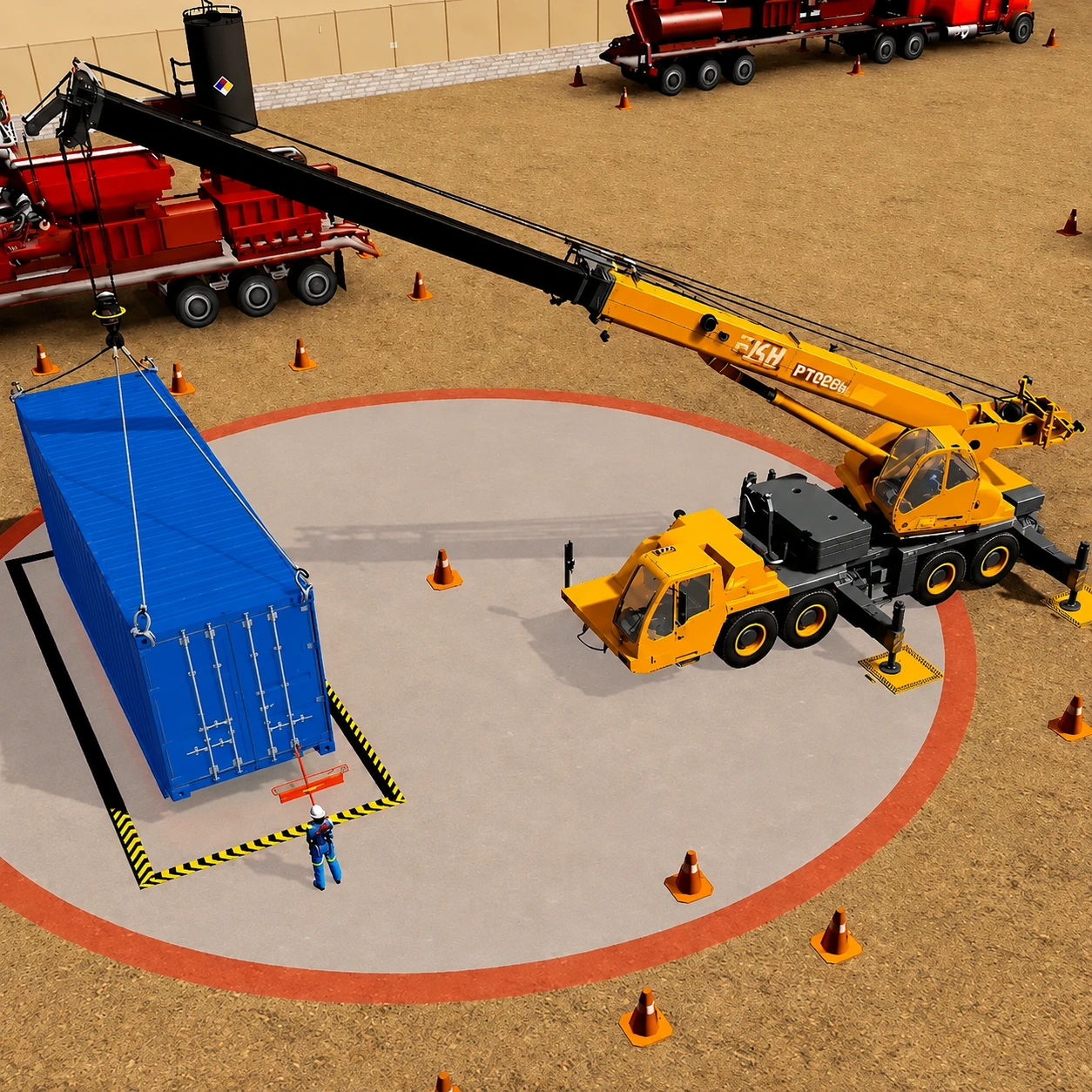
Implementing VR immersive training for mechanical lifting allows industrial sectors to standardize heavy cargo maneuvers, mitigate operational risks, and reinforce safety protocols across critical field roles.
VR SAFETY TRAINING
Module Details
Heavy lifting operations demand absolute precision and coordination among different site roles. Utilizing high-fidelity VR immersive training systems provides a safe environment to simulate complex physics, vehicle limits, and structural constraints. This methodology bridges the gap between theoretical knowledge and field execution, allowing workforce teams to master risk assessment, clear communication handshakes, and spatial awareness without real-world hazards.
Integrating simulated workforce solutions helps logistics and construction enterprises track core performance data, steering accuracy, and compliance metrics tied to international regulatory bodies. By focusing on critical roles such as Banksman, Rigger, and Person in Charge, modern training initiatives ensure a comprehensive approach to site safety and incident reduction.
EXERCISES INCLUDED IN THIS MODULE
Mechanical Lifting Training Exercises
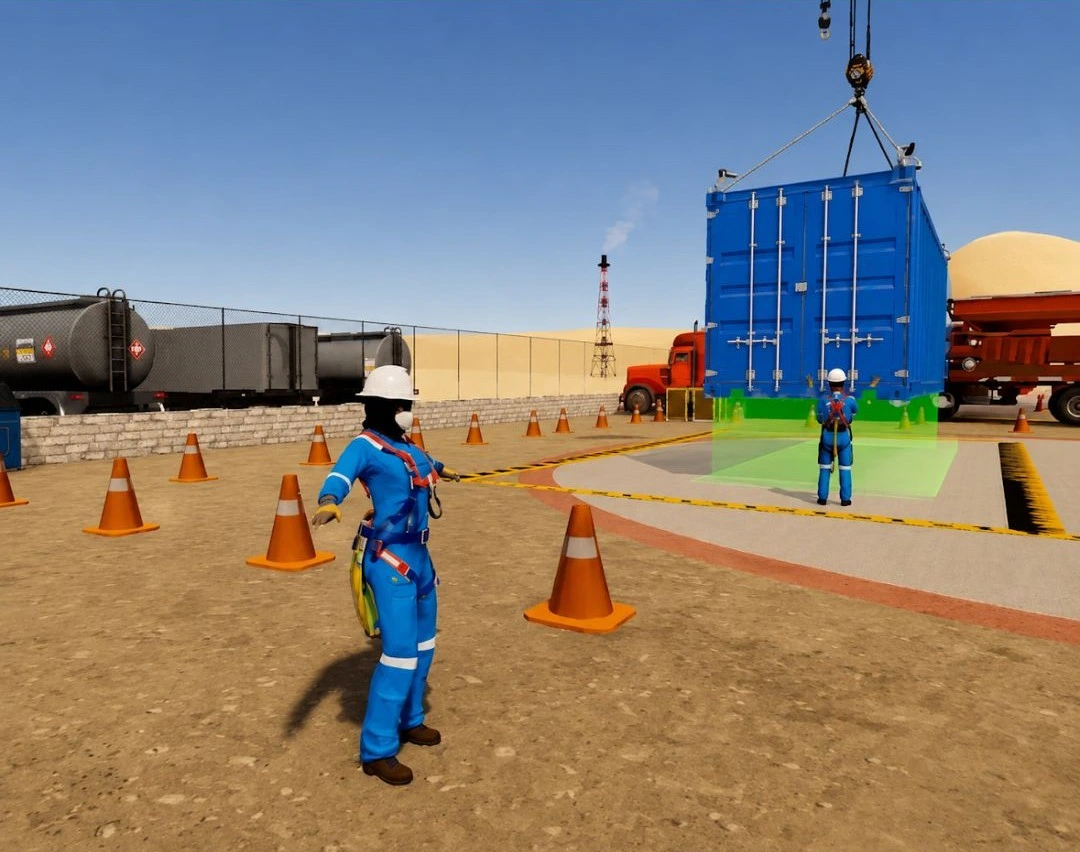
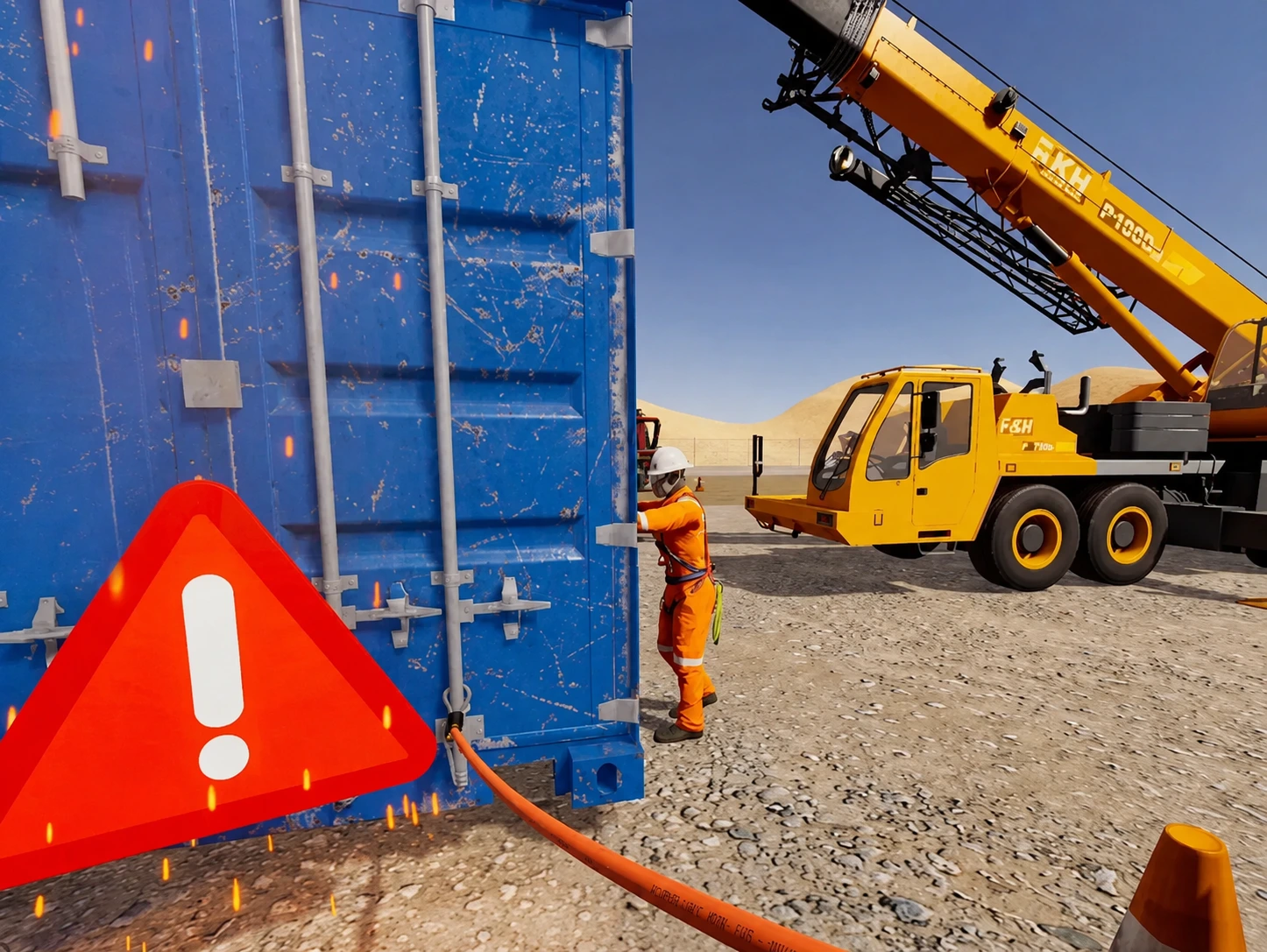
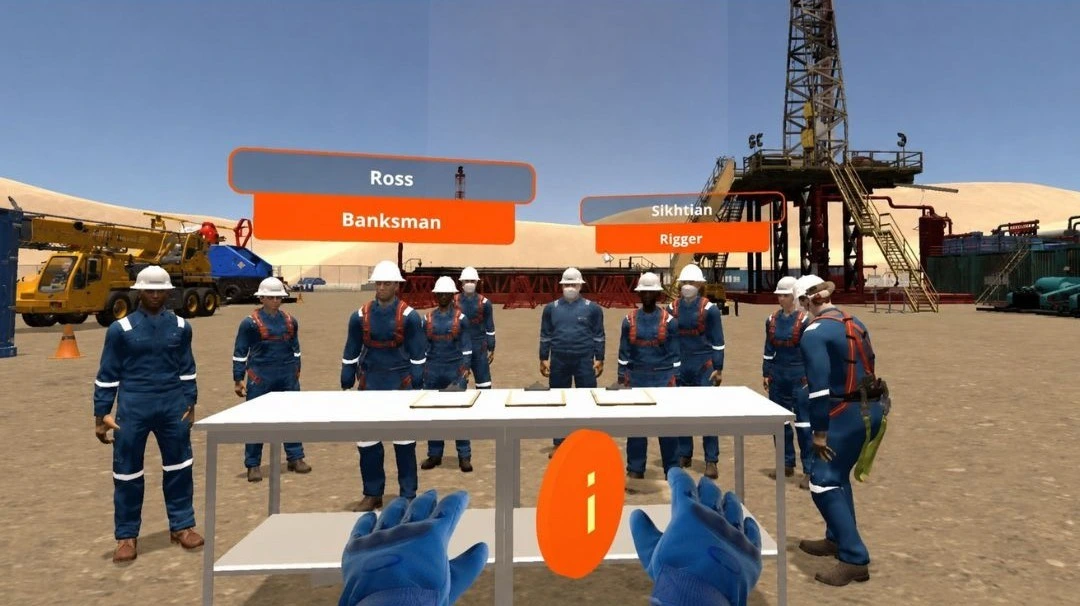
Mechanical Lifting Training Questions

It provides an interactive, risk-free setting to practice industrial logistics and heavy rigging physics. Personnel can learn to manage load dynamics, speed thresholds, and complex path coordination without the hazards or costs associated with real-world equipment failures.
Successful lifting maneuvers rely entirely on team synchronization. Separating training frameworks into Banksman (signaling), Rigger (handling), and Person in Charge (supervision) ensures each professional understands their exact operational boundaries and joint handshakes.
Yes. Immersive lifting frameworks are conceptualized around strict industrial regulatory parameters, such as OSHA and ASME guidelines, focusing tracking indicators on speed violations, distance limits, and exclusion boundary compliance.
