

Module
Rig Site
Emergencies
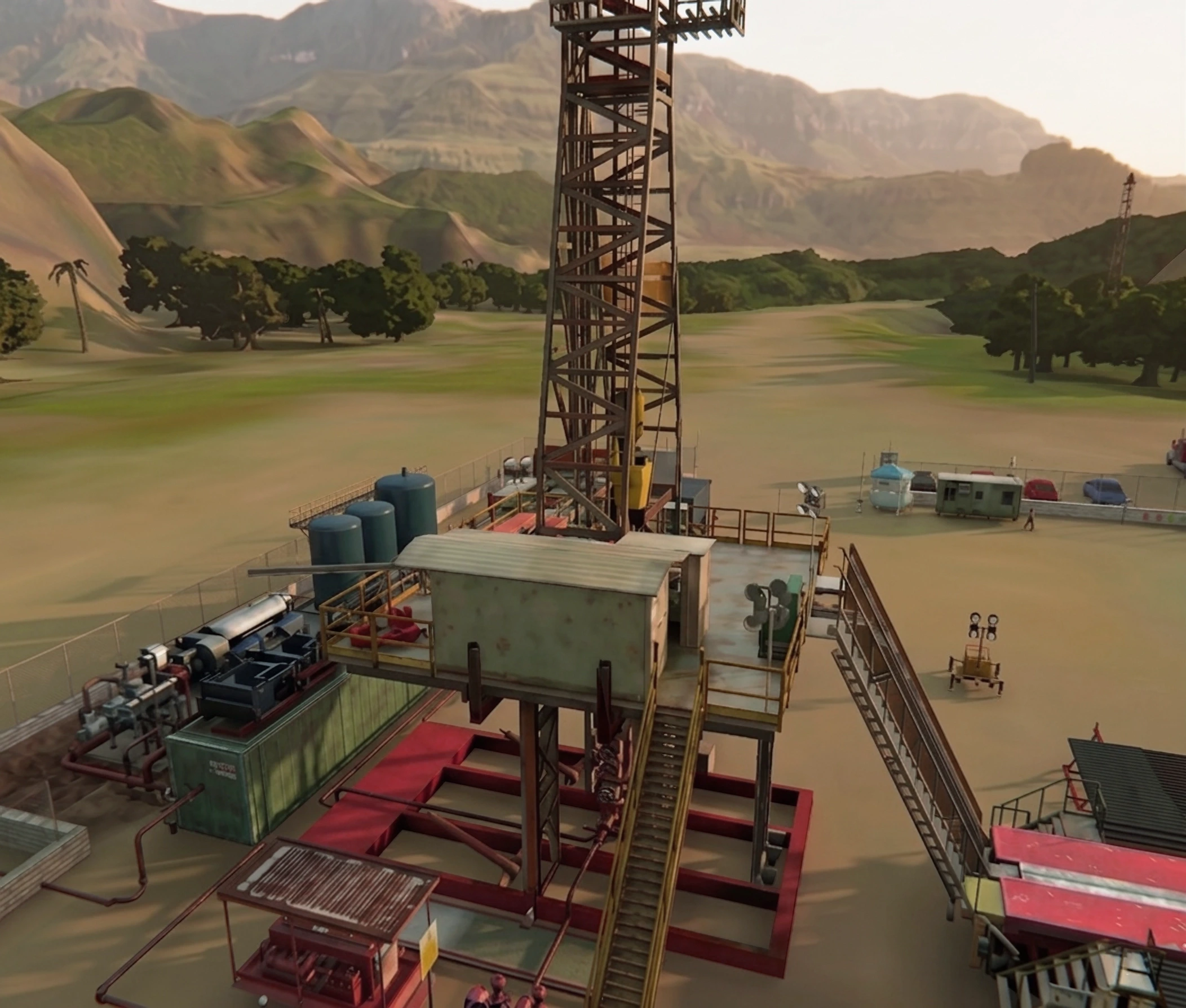
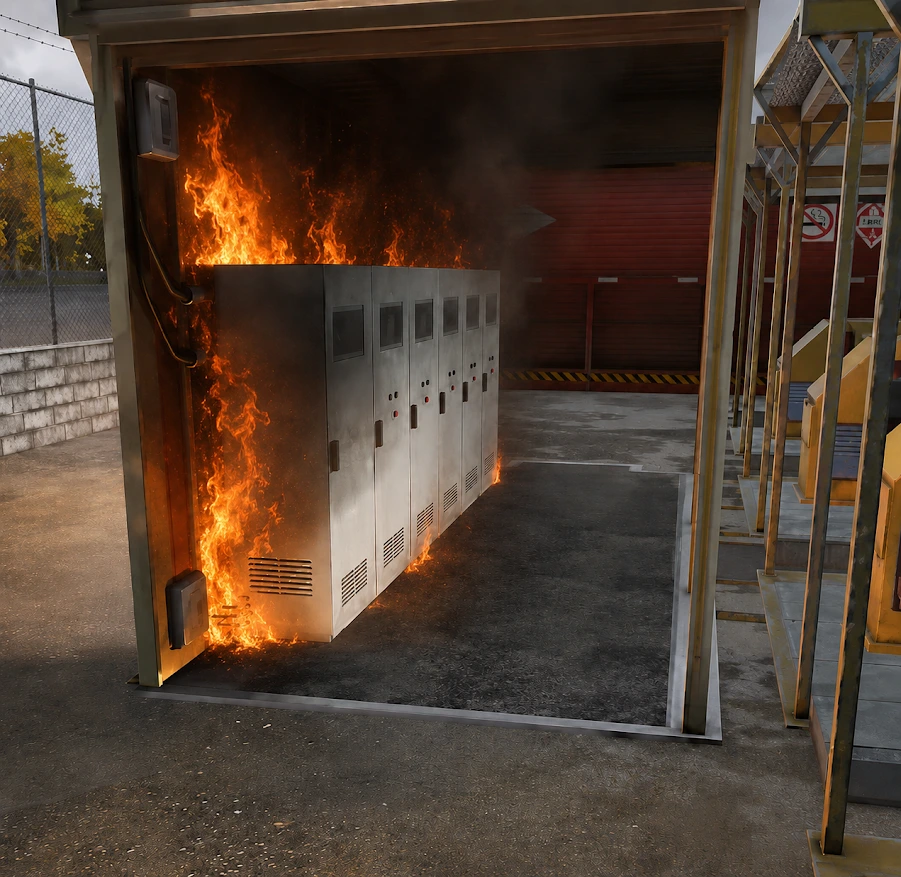
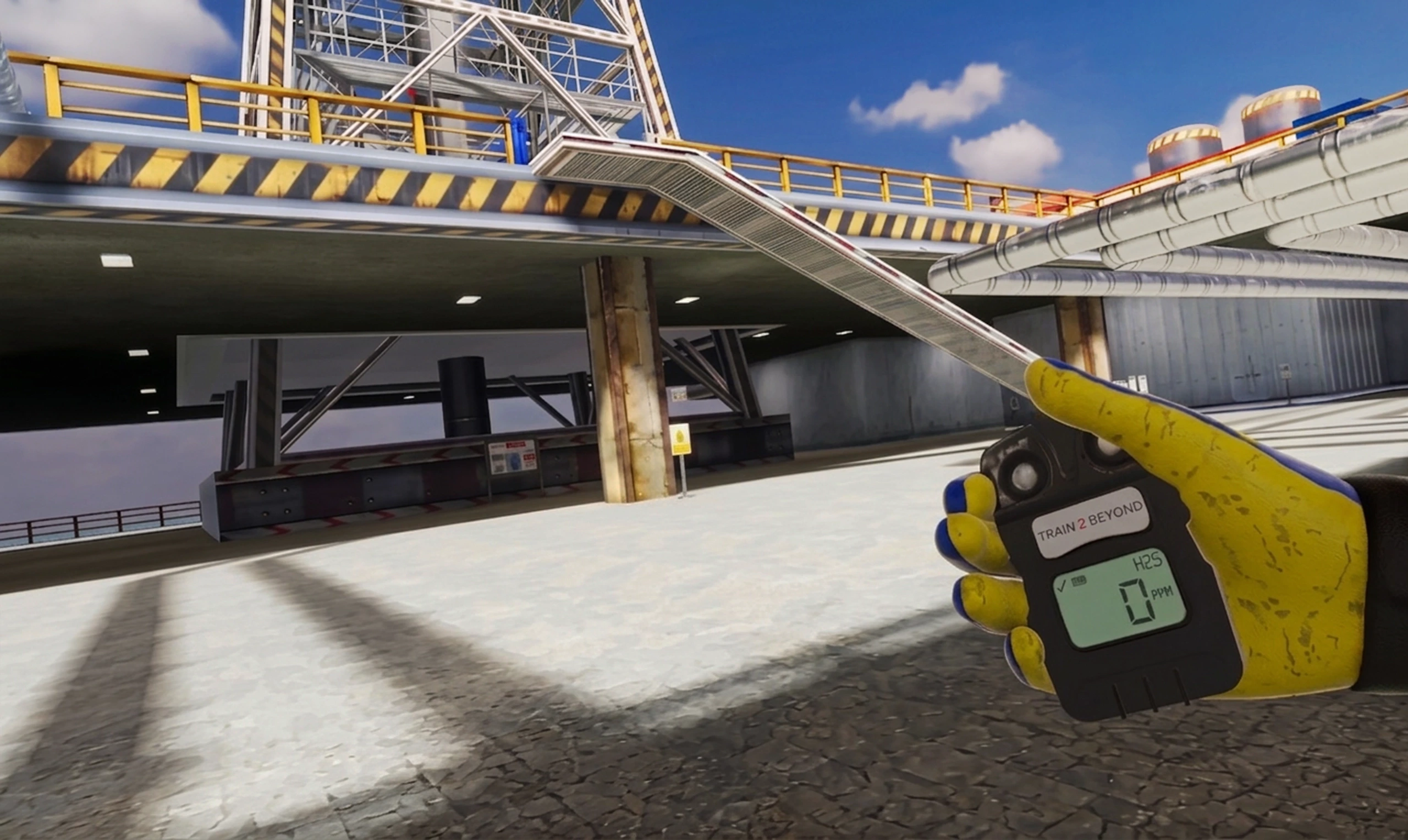
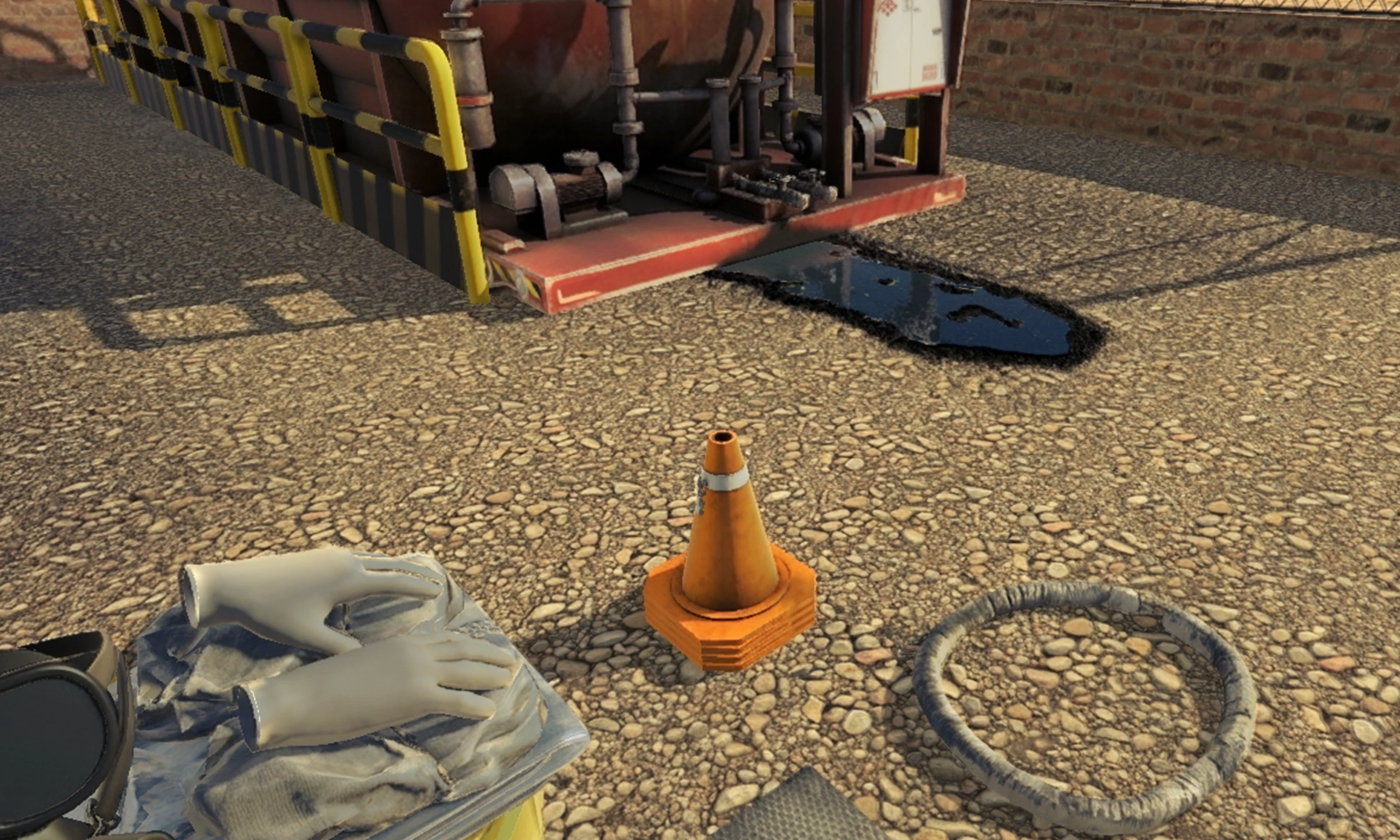
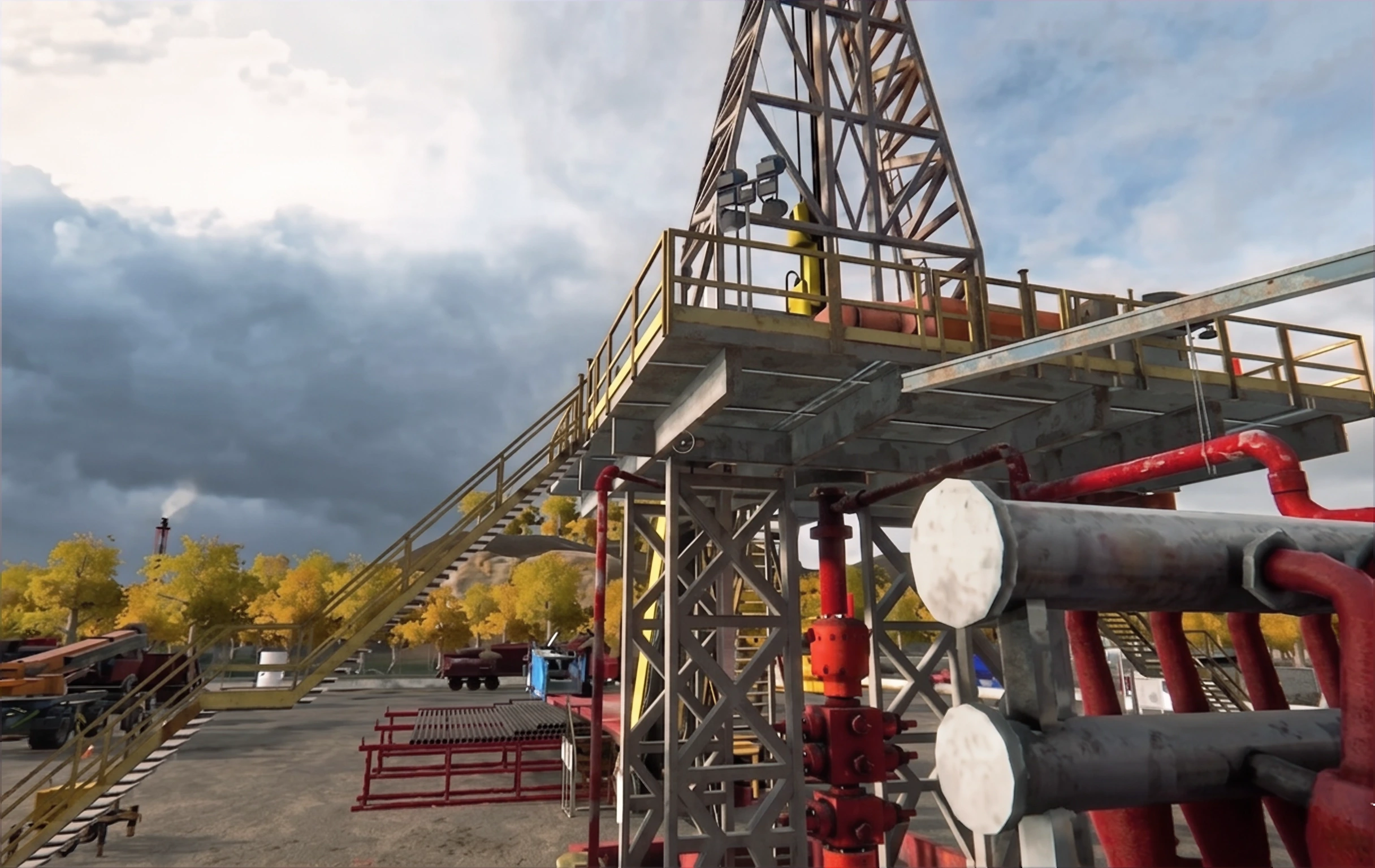
Developed by industry safety experts, our immersive rig site emergency training focuses on preparing workers for critical situations like H2S leaks, hydrocarbon spills, blowouts, and fires.
VR SAFETY TRAINING
Module Details
Our immersive Rig Site Emergency Training course is designed for both PC and VR, offering a highly engaging and gamified experience for rig workers. This training prepares users for real-world emergencies, including H2S leaks, hydrocarbon spills, blowouts, and fires. Through interactive, hands-on simulations, employees will gain the critical skills needed to effectively respond to hazardous situations, promoting long-term safety and incident prevention.
Easily deploy this VR training across your organization and start monitoring user performance in real-time. Track key safety behaviors and trends, and use data-driven insights to enhance your organization’s emergency response protocols. This course not only helps ensure compliance with industry standards but also empowers workers to act swiftly and safely when it matters most.
EXERCISES INCLUDED IN THIS MODULE
Oil and Gas Emergency Training Exercises
Oil and Gas VR Training Questions

You can train by engaging in realistic simulations where you must identify hazards and follow safety protocols in a 100% risk-free virtual environment. The platform allows you to interact with virtual objects and practice emergency procedures through lifelike scenarios designed by professionals.
This training is designed for the modern industrial workforce, specifically for personnel who need to master high-risk operational procedures and safety standards. It is ideal for teams requiring technical proficiency and emergency readiness in high-stakes environments.
Unlike conventional classroom methods, VR training provides an engaging and gamified experience that significantly improves procedure retention. It allows workers to experience the adrenaline and stress of a real emergency without facing any actual physical risk.
Yes, customized solutions are available that allow for a personalized configuration of the environment. This can include recreating specific layouts or integrating your company’s branding into the virtual world.
The course covers critical scenarios such as emergency response, hazardous material handling, and safety awareness. These modules are developed according to international industry standards like OSHA, API, and ISO to ensure strict safety compliance.
